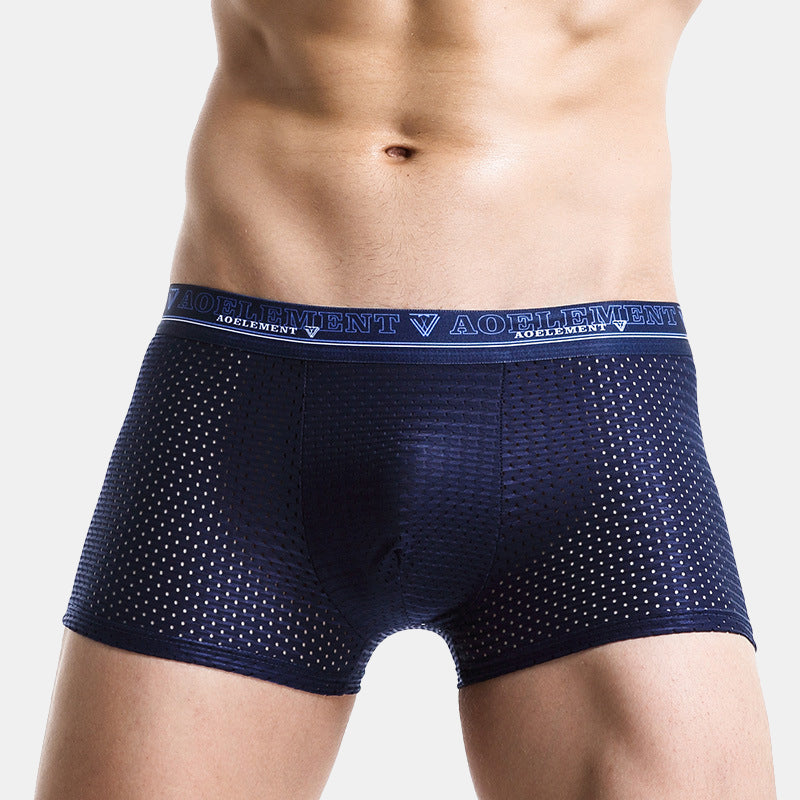

Male crotch odor is rarely just a shower problem. It is usually a microclimate problem: heat, sweat, skin-on-skin contact, trapped fabric, bacteria, and sometimes fungal overgrowth all working together in a warm area with limited airflow.

Featured product asset from Elephant Underwear: Modal Pouch Moisture Wicking Brief - 3 Pack.
Summary
The fastest practical way to reduce male crotch odor is to keep the groin cooler, drier, and less compressed. That means changing out of sweaty clothing quickly, washing and fully drying the area, avoiding overly tight underwear, choosing moisture-wicking fabrics, and using anatomical pouch support to reduce skin-on-skin contact. If odor comes with itching, burning, rash, scaling, pain, discharge, or a persistent musty smell, it may involve irritation or infection and should be checked by a clinician.
Why male crotch odor happens: the real mechanism
The groin is one of the most odor-prone areas of the male body because it creates a near-perfect environment for odor chemistry. It is warm, covered for most of the day, exposed to sweat, compressed by pants, and shaped by folds where skin can rub against skin. Odor does not come from sweat alone. Fresh sweat is often mild. The stronger smell develops when sweat, skin oil, dead skin cells, and textile residue are broken down by microorganisms that naturally live on the skin.
That is why a man can shower in the morning and still feel stale by mid-afternoon. If the underwear traps moisture, presses the genitals against the thighs, and does not dry quickly, the microclimate returns within hours. The goal is not to sterilize the body. The goal is to make the environment less favorable for odor buildup: less heat, less moisture, less friction, better airflow, and cleaner fabric rotation.
Sweat is the fuel
Sweat increases moisture. Moisture softens skin, holds odor compounds close to the body, and makes fabric cling. In the groin, sweat also has fewer opportunities to evaporate because pants and underwear block airflow.
Bacteria are the converter
Skin bacteria metabolize sweat and skin oils into volatile compounds. These compounds are what the nose detects as sour, musky, stale, or sharp odor.
Heat accelerates everything
Higher temperature can increase sweating, fabric cling, and microbial activity. A hot groin environment also makes friction feel worse, which encourages more skin irritation.
Skin contact traps the problem
When the scrotum sticks to the thighs, there is less airflow and more friction. That contact zone becomes a damp pocket where odor and discomfort build faster.
Odor, sweat, and jock itch are related but not identical
Normal crotch odor after a long day is usually a sweat-management issue. It should improve with washing, drying, clean underwear, and better fabric choice. Jock itch, medically called tinea cruris, is different. It is a fungal infection that tends to grow in warm, moist areas of the groin. According to medical sources such as WebMD, common signs include itching, burning, scaling, flaking, raised edges, and a rash around the groin or inner thighs. Healthline also notes that fungal overgrowth can create a musty or yeast-like odor, especially when sweating is present.
This distinction matters because underwear can help manage the conditions that make odor and irritation more likely, but it is not a medical treatment for infection. If you have persistent odor with rash, pain, peeling, cracking, swelling, or severe itching, get medical advice. For everyday odor without those warning signs, the most effective strategy is environmental control.
Plain-language rule: if the issue smells worse when you sweat but improves after washing, drying, and changing clothes, focus on moisture control. If it also itches, burns, flakes, spreads, or keeps returning, treat it as a possible skin condition and talk to a healthcare professional.
The groin microclimate: why regular underwear often fails
Most men think underwear has one job: cover the body. For odor prevention, that is not enough. Underwear also controls the microclimate around the genitals. A poor pair creates compression, traps sweat, and keeps the scrotum pressed against the inner thigh. A better pair creates separation, wicks moisture, and allows heat to disperse.
Traditional flat-front briefs and boxer briefs often flatten the genitals toward the body. This can create a contact sandwich: scrotal skin against thigh skin, both pressed under a fabric layer, then compressed again by pants. Once sweat starts, evaporation becomes difficult. The fabric clings, skin rubs, and odor compounds remain concentrated.
A dedicated pouch design changes the geometry. Instead of forcing everything into one compressed panel, it supports the anatomy in a more natural position. That can reduce sticking, minimize skin-on-skin contact, and improve the chance that sweat moves into the fabric rather than sitting in a fold. This is the comfort logic behind Elephant Underwear's pouch construction and why it connects directly to freshness, not only support.
Fabric matters: breathable is not the same as odor-proof
No fabric can make hygiene unnecessary, and no underwear should promise to cure odor. But fabric choice strongly affects how quickly sweat spreads, how fast it dries, and how the underwear feels after hours of wear. Cotton can feel soft when dry, but it absorbs and holds moisture. In hot or active conditions, that can make it feel heavy and damp. Performance synthetics can dry quickly, but if they are too dense or poorly fitted, they may still trap heat. Modal and certain cooling blends can offer a useful balance: soft handfeel, better moisture movement, and everyday comfort.
For men with odor concerns, the goal is not simply the thinnest fabric. The goal is a fabric-and-fit system that moves sweat away from the skin, avoids bunching, and does not create damp folds. A moisture-wicking pouch brief, a breathable trunk, or a mesh-supported boxer brief can each work depending on the day, the pants, and the activity.
| Underwear factor | Why it affects odor | What to look for | What to avoid |
|---|---|---|---|
| Moisture movement | Sweat that sits on skin feeds odor and increases fabric cling. | Modal blends, breathable synthetic blends, quick-dry construction. | Heavy cotton that stays wet during long sitting or heat. |
| Pouch separation | Less skin-on-skin contact means fewer damp friction zones. | Contoured pouch or dual pouch design that supports without crushing. | Flat front panels that press the scrotum into the thighs. |
| Airflow | Evaporation is the natural cooling and drying mechanism. | Lightweight fabric, mesh zones, breathable leg panels. | Thick, dense fabric under tight jeans in humid weather. |
| Fit stability | Bunching creates warm pockets and rub points. | Legs that stay in place, waistband that does not dig, stretch recovery. | Loose boxers that bunch or tight briefs that trap heat. |
| Wash behavior | Residue and slow drying can hold odor in the garment. | Fully dry before storing, rotate pairs, avoid overload washing. | Leaving damp underwear in a gym bag or hamper for days. |
A practical freshness protocol for work, workouts, travel, and heat
Most odor advice stops at “shower more,” which is incomplete. A stronger system has three layers: body care, underwear selection, and timing. You do not need a complicated routine; you need consistent control over the factors that create odor.
Daily baseline
- Wash gently, not aggressively. Use mild soap and rinse well. Harsh scrubbing can irritate skin and make the area more reactive.
- Dry completely before dressing. Moisture left after showering starts the day with the same condition you are trying to avoid.
- Choose pouch underwear for long days. A supportive pouch may help reduce sticking and damp contact between the scrotum and thighs.
- Rotate clean pairs. If you sweat heavily, a second pair after work or training is not excessive; it is practical hygiene.
- Wash sweaty gear quickly. Do not let damp underwear sit sealed in a gym bag, suitcase, or laundry pile.
For office days and long sitting
Sitting reduces airflow around the groin and compresses fabric against the body. If your odor problem appears mostly after office work, driving, gaming, or flights, it may be less about exercise and more about trapped heat. Look for a soft moisture-wicking brief or boxer brief with enough pouch support to prevent sticking while seated. If ride-up is also a problem, review our guide on why underwear rides up.
For gym and outdoor work
Workout odor is about sweat load. Change as soon as possible after training. A pair that feels fine for one hour at the gym may not be ideal for four more hours under jeans. For repeated chafing, a longer-leg support style may help because it covers the inner-thigh friction zone. See the Men's Support Anti-Chafing Underwear if your odor problem is paired with rubbing.
For hot weather and humidity
Humidity makes sweat harder to evaporate. That means the underwear must dry faster and create less skin contact. If you often feel sticky in summer, pair the hygiene protocol here with our breathable fabric guidance in The Best Moisture-Wicking Underwear for Men.
Where Elephant Underwear fits into the solution
Elephant Underwear is designed around a simple anatomical insight: comfort improves when the male anatomy is supported rather than compressed. For odor prevention, that matters because support is not only about appearance or lift. Support changes contact points. When the pouch creates separation, the scrotum is less likely to stick directly to the thighs. When the fabric moves moisture away, sweat is less likely to sit in a fold. When the leg stays in place, friction and bunching are reduced.
For everyday odor control, start with the Modal Pouch Moisture Wicking Brief - 3 Pack. For men who need more thigh coverage and anti-chafing support, consider the Men's Support Anti-Chafing Underwear - 3 Pack. If your main issue is sticking and separation, the Breathable Support Underwear with Separated Pouch is a direct match.
When odor means you should see a doctor
Most everyday crotch odor improves with better drying, clean clothing, and more breathable underwear. But persistent odor can sometimes be a sign of fungal overgrowth, bacterial imbalance, dermatitis, or another medical issue. Seek professional advice if odor is strong and persistent even after hygiene changes, or if it comes with itching, burning, rash, pain, swelling, cracked skin, discharge, fever, or sores. Also get help if over-the-counter antifungal products fail or the problem repeatedly returns.
This is not something to be embarrassed about. The groin is a high-moisture skin area, and these issues are common. The smart approach is to separate comfort engineering from medical treatment: use better underwear to reduce heat, sweat, and friction, and use medical care when symptoms suggest more than normal sweat odor.
FAQs
1. Why does my crotch smell even after I shower?
If the area is not fully dried, or if you put on tight, non-breathable underwear right away, heat and sweat can rebuild quickly. Odor can also remain in clothing if underwear is not washed and dried properly.
2. Does pouch underwear prevent crotch odor?
Pouch underwear does not medically prevent odor, but it may help reduce the conditions that make odor worse. By supporting the anatomy and reducing skin-on-skin contact, it can help limit sticking, friction, and trapped moisture.
3. Is cotton underwear best for odor?
Cotton is comfortable when dry, but it can hold moisture. For men who sweat heavily, quick-drying modal, breathable synthetic blends, or mesh designs may feel fresher over a full day.
4. How often should I change underwear if I sweat a lot?
At least once daily, and again after workouts, outdoor labor, long travel, or any situation where the underwear becomes damp. Changing into a dry pair is one of the simplest odor-control steps.
5. Can tight underwear cause odor?
Tight underwear can trap heat and moisture and increase friction. That does not automatically create odor, but it can make the groin environment more favorable for odor buildup.
6. What is the difference between normal odor and jock itch odor?
Normal sweat odor usually improves after washing and changing clothes. Jock itch may have a musty or yeast-like smell and is often paired with itching, burning, scaling, or rash. If those symptoms appear, seek medical guidance.
7. Should I use powder for crotch odor?
Some men use body powder to reduce moisture, but it should not replace washing, drying, and clean breathable underwear. Avoid applying products to irritated or broken skin unless a clinician recommends it.
8. Does shaving reduce groin odor?
Trimming may reduce moisture retention for some men, but shaving can also irritate skin and create friction. If you groom, keep the area clean, dry, and avoid tight underwear immediately after shaving.
9. What underwear style is best for odor control?
For many men, the best option is a moisture-wicking pouch brief or boxer brief that separates the anatomy, stays in place, and dries quickly. The exact length depends on whether thigh chafing is also a problem.
10. Can diet cause crotch odor?
Diet, hydration, medication, and overall health can affect body odor, but the most common day-to-day driver is still the local environment: sweat, heat, airflow, and clothing.
Sources and medical context
This guide uses general skin-health principles and publicly available medical explanations of groin moisture and fungal risk, including WebMD's overview of jock itch and Healthline's explanation of jock itch odor. It is educational content, not a diagnosis or medical treatment plan.
Stay fresh by changing the environment, not just the routine.
Start with breathable pouch support that helps reduce sticking, sweat buildup, and friction during real daily wear.
Shop Moisture-Wicking Pouch Briefs