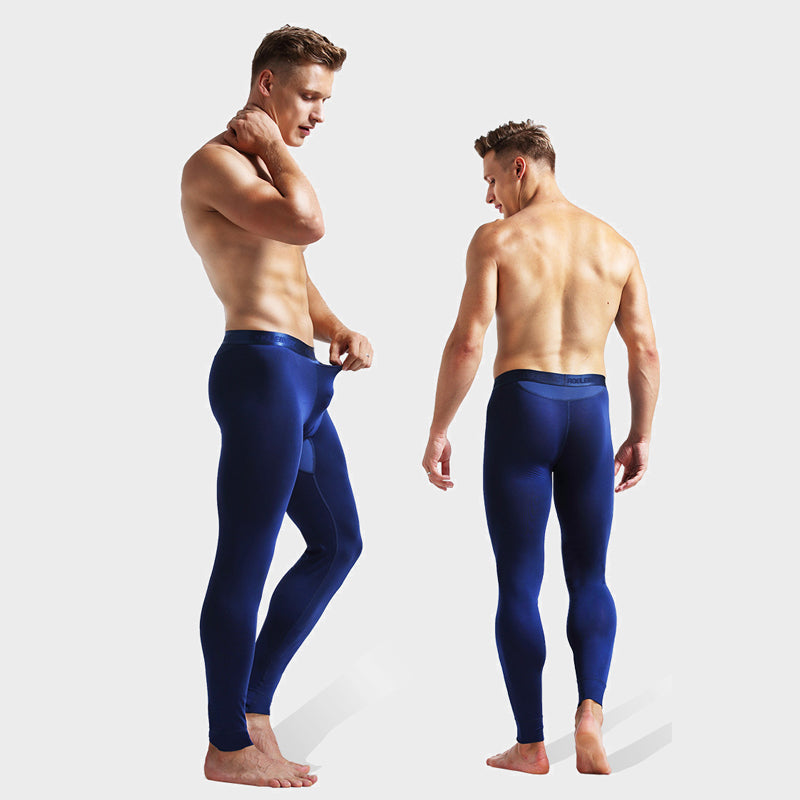

Finding the best underwear for sensitive skin men can make a meaningful difference for those dealing with irritation, chafing, eczema-prone skin, or discomfort caused by heat and moisture. The right underwear often combines breathable fabrics, moisture management, and low-friction construction to help reduce common irritation triggers.
For many men, fabrics such as modal, TENCEL™ lyocell, and organic cotton may offer greater softness and comfort than conventional materials, especially when paired with flat seams, tag-free designs, and a supportive fit. This guide compares popular fabric options, explains what design features matter most, and explores how brands like Elephant Underwear approach comfort-focused underwear for sensitive skin.

What Causes Underwear Irritation in Men?
Skin irritation in intimate areas is often linked to a combination of moisture, friction, heat buildup, harsh dyes, or tight-fitting garments. Men with eczema, psoriasis, or general skin sensitivity may be more reactive to rough seams, synthetic blends, or prolonged dampness.
- Common triggers include:
- Excess sweat and trapped moisture
- Friction from rough seams or a poor fit
- Harsh dyes or finishing chemicals
- Tight waistbands or restrictive leg openings
- Heat buildup from low-breathability fabrics
Choosing underwear designed to minimize these factors may help improve day-to-day comfort.

Best Fabrics for Sensitive Skin: Modal vs TENCEL™ vs Organic Cotton
The best underwear for sensitive skin typically uses breathable, soft-touch fabrics that help reduce friction and improve moisture control. Here’s how common options compare:
|
Fabric Type |
Key Characteristics |
Potential Benefits for Sensitive Skin |
Considerations |
|
Modal |
Soft, smooth, moisture-wicking, breathable |
May reduce friction and help keep skin drier |
Quality varies by blend and manufacturing |
|
TENCEL™ Lyocell |
Smooth, breathable, moisture-managing |
Often praised for softness and temperature regulation |
Usually premium-priced |
|
Organic Cotton |
Natural, breathable, pesticide-conscious |
Gentle feel, widely available |
Can retain more moisture than modal or lyocell |
|
Bamboo Rayon |
Soft texture, moisture-managing |
Comfortable in some products |
Processing methods vary significantly |
|
Synthetic Blends |
Stretchy, durable |
Useful for athletic support |
May trap heat depending on construction |
Modal
Modal is a beechwood-derived fiber known for softness and moisture management. Many men prefer modal blends because the fabric often feels smooth against the skin and may reduce friction compared with rougher materials.
TENCEL™ Lyocell
TENCEL™ is often favored for its breathable, silky texture and moisture control. It can be a strong option for men seeking lightweight comfort.
Organic Cotton
Organic cotton remains a dependable choice for men who prioritize natural fibers, especially when softness and reduced exposure to certain agricultural chemicals are priorities.

Modal vs Cotton: Which Is Better for Sensitive Skin?
Both modal and cotton can work well, but the better choice depends on your priorities:
Choose Modal if you want:
- A smoother, silkier feel
- Better moisture management
- Lightweight softness
- Reduced friction during movement
Choose Organic Cotton if you want:
- Familiar natural fiber comfort
- Simple, breathable everyday wear
- Preference for cotton-based products
For men dealing primarily with sweat, chafing, or moisture buildup, modal may offer advantages due to its softer texture and moisture-wicking performance.
Fit Matters: How Underwear Design Affects Sensitive Skin
Fabric is only part of the equation. Construction details can significantly influence comfort.
Features that may help reduce irritation:
- Flatlock seams: May reduce rubbing and abrasion
- Tag-free labels: Help avoid itching or scratching
- Soft waistbands: Can reduce pressure marks
- Supportive but non-restrictive fit: Helps minimize bunching and friction
- Breathable pouch or front panel design: May improve airflow
Underwear that is too tight can increase heat and friction, while underwear that is too loose may bunch and rub.
How Elephant Underwear Approaches Comfort for Sensitive Skin
Elephant Underwear focuses on soft-touch modal-based fabrics combined with comfort-centered design elements such as supportive structure, smooth construction, and breathable materials. For shoppers specifically looking for modal-forward underwear with reduced-friction features, this type of approach may appeal to those prioritizing softness and moisture management.
As with any underwear purchase, individual comfort depends on personal skin sensitivity, preferred fit, fabric blend, and care routine.

How to Care for Underwear for Sensitive Skin
Even high-quality fabrics can become irritating if washed improperly.
Care tips:
1. Wash in cold water on a gentle cycle
2. Use mild, fragrance-free detergent when possible
3. Avoid bleach or harsh softeners
4. Dry on low heat or air dry
5. Replace worn underwear when elasticity, softness, or fit declines
Proper care may help preserve softness and reduce exposure to potential irritants.

FAQs
What is the best underwear fabric for sensitive skin in men?
Many men find modal, TENCEL™, or organic cotton comfortable because these fabrics often emphasize softness, breathability, and lower-friction wear.
Is modal better than cotton for sensitive skin?
Modal may feel softer and manage moisture more effectively for some people, while organic cotton may appeal more to those who prefer natural cotton fibers.
Can underwear choice help with chafing?
Yes. Breathable fabrics, supportive fit, and flat seams may help reduce friction-related discomfort.
Should men with eczema avoid synthetic underwear?
Some men with eczema prefer softer, breathable fabrics over heat-trapping materials, though individual sensitivities vary.
How often should underwear be replaced?
Many people replace their everyday underwear every 6–12 months, depending on wear, elasticity, and fabric condition.